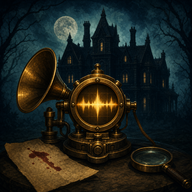
The Incident at Galley House Story Explained: A Deep Dive into 2026’s Most Haunting Mystery
Unravel the complex narrative of Evil Trout's latest deduction game. We break down the Incident at Galley House story, mechanics, and the central themes of memory.
Unraveling the Mystery: What is The Incident at Galley House?
If you have been hunting for a game that blends cold, hard deduction with the chilling weight of existential dread, you have likely come across the latest release from Evil Trout Inc. Many players are searching for the The Incident at Galley House story explained because the game’s narrative is intentionally disorienting, designed to make you question the very reality of the scenes you are uncovering. By understanding the core mechanics and the thematic underpinnings, you can better appreciate why the The Incident at Galley House story explained is becoming a hot topic among fans of high-concept investigative thrillers.
The game acts as a spiritual successor and visual overhaul to the 2025 text-based title Type Help. While the original relied on your imagination to fill in the gaps, this new version provides a tactile, gothic sci-fi experience that challenges your ability to piece together a tragedy from 1936.
The Premise: Investigating the Galley Manor
You step into the role of a researcher tasked with investigating a series of mysterious deaths that occurred during a dinner party at the home of Rupert Galley. Initially, the only firm piece of evidence is that a guest fell to their death, but as you delve deeper, the narrative expands into a complex web of missing persons and fading memories.
Core Investigative Mechanics
Unlike traditional point-and-click titles, this game demands a high level of engagement with the interface. You aren't just clicking on clues; you are operating a faulty, aging computer system that serves as your only window into the past.
Why the Narrative Feels So Disorienting
The brilliance of the game lies in its refusal to hold your hand. As you progress, you will likely encounter moments where the story seems to contradict itself. Characters may vanish between scenes, or dialogue might seem nonsensical. According to community reports, this is a deliberate design choice meant to simulate the "gaslighting" effect of unstable memory.
When you look at the The Incident at Galley House story explained by the community, you find that the confusion is the point. The game treats death not as a static historical event, but as a "brain-altering catastrophe." The horror doesn't come from jump scares, but from the realization that the characters are terrified of being forgotten.
The Role of Memory in Galley House
The thematic heart of the game is the fear of erasure. In this universe, the dead aren't just gone; they are tethered to the living through memory. If there is no one left to remember a person, they effectively cease to exist in the digital archive. This adds a layer of urgency to your investigation: you are essentially the last person keeping these souls alive.
Comparison: Investigative Deduction Games
To understand where this title fits in the landscape of detective games, consider how it stacks up against other genre heavyweights.
Tips for Success in Your Investigation
If you are currently stuck, remember that the game rewards patience and obsessive listening. Every line of dialogue acts as a breadcrumb. If you are struggling to understand the The Incident at Galley House story explained, focus on these actionable steps:
- Audit the Timeline: Always track where each guest is at any given moment. If someone leaves a room, make a note of the exact time stamp.
- Contextual Codebreaking: Do not guess the codes. The game provides clues about rooms and characters within the audio of the scenes themselves.
- Listen for Continuity: If a character says something that seems out of place, it is likely a clue about their state of mind or a potential contradiction in the memory file.
- Manage Your Tension: The game is designed to be stressful. If you feel overwhelmed, take a break. The "overloaded generator" tension is meant to mirror the decay of the machine you are using.
Community Insights and Player Experience
According to community reports on forums and social media, players are finding the shift from the text-based Type Help to this more visual format to be a double-edged sword. While some appreciate the tactile nature of the dials, others miss the psychological "void" that the original text-only format created.
One player noted that the game feels significantly more "pulp horror" than the original, which might be a turn-off for those who preferred the cold, clinical feel of the browser version. However, for those new to the series, the visual presentation makes the daunting task of piecing together the The Incident at Galley House story explained much more accessible.
The Technical Reality of the Mystery
The game is available on multiple platforms, including Windows, macOS, and Linux. For those wanting to delve into the technical side of the developer's vision, you can check out the official Evil Trout Inc. store page for updates and patch notes.
Estimated Time Investment
Frequently Asked Questions
What is the main goal of The Incident at Galley House?
The primary goal is to investigate a series of mysterious deaths at a 1936 dinner party by using a specialized computer to view and organize fragmented memories. You must piece together where everyone was and what happened to them before the machine fails.
Is the The Incident at Galley House story explained clearly at the end?
The story is intentionally ambiguous. While you will uncover the "facts" of the crime, the game focuses heavily on the psychological toll of memory and loss, leaving some of the more surreal elements open to your own interpretation.
Why does the game feel so confusing?
The game is built to "gaslight" the player. Because you are viewing memories through a faulty machine, the narrative is fragmented and sometimes contradictory. This is a deliberate choice to reflect the characters' fear of forgetting and being forgotten.
Do I need to play the original Type Help first?
No, it is not required. While this game is an overhaul of Type Help, it is a standalone experience. However, understanding that it originated as a text-based game might help you appreciate the shift in mechanics.